How to Design Summer Events That Feel Fun and Strategic
Ah, summer. The season of half-day Fridays, melting ice cream cones, and the inevitable corporate summer outing.
We’ve all been there: you’re standing in a park, clutching a lukewarm soda, trying to make small talk with Kevin from accounting while a game of cornhole gets aggressively competitive in the background. It’s fun enough, sure. But does it actually do anything for your team’s alignment, morale, or long-term success? Rarely.
At Compass Team Building, we believe you shouldn't have to choose between a good time and genuine strategic value. You can have both!
1. Start with the "Why," Not the "Where"
When planning a summer event, the knee-jerk reaction is usually to pick a venue first. "Let's rent a boat!" or "How about a rooftop bar?" While those sound great, you're starting at the finish line. Instead, ask yourself: What does our team need right now?
Are you onboarding a influx of new hires? Your goal is connection and psychological safety.
Have teams been working in silos? Your goal is cross-functional collaboration.
Has it been a grueling Q1 and Q2? Your goal is pure recognition and burnout relief.
Once you define the strategic objective, the venue and activities will naturally fall into place. A boat cruise might be terrible for cross-functional networking (too loud, people stick to their cliques), but perfect for pure celebration.
2. Match the Energy to the Season
Summer carries an inherent energy of relaxation. If you try to force your team into a heavy, three-hour PowerPoint workshop in the middle of July, they will resent it. The strategy needs to be baked into the fun, not layered on top of it like a chore.
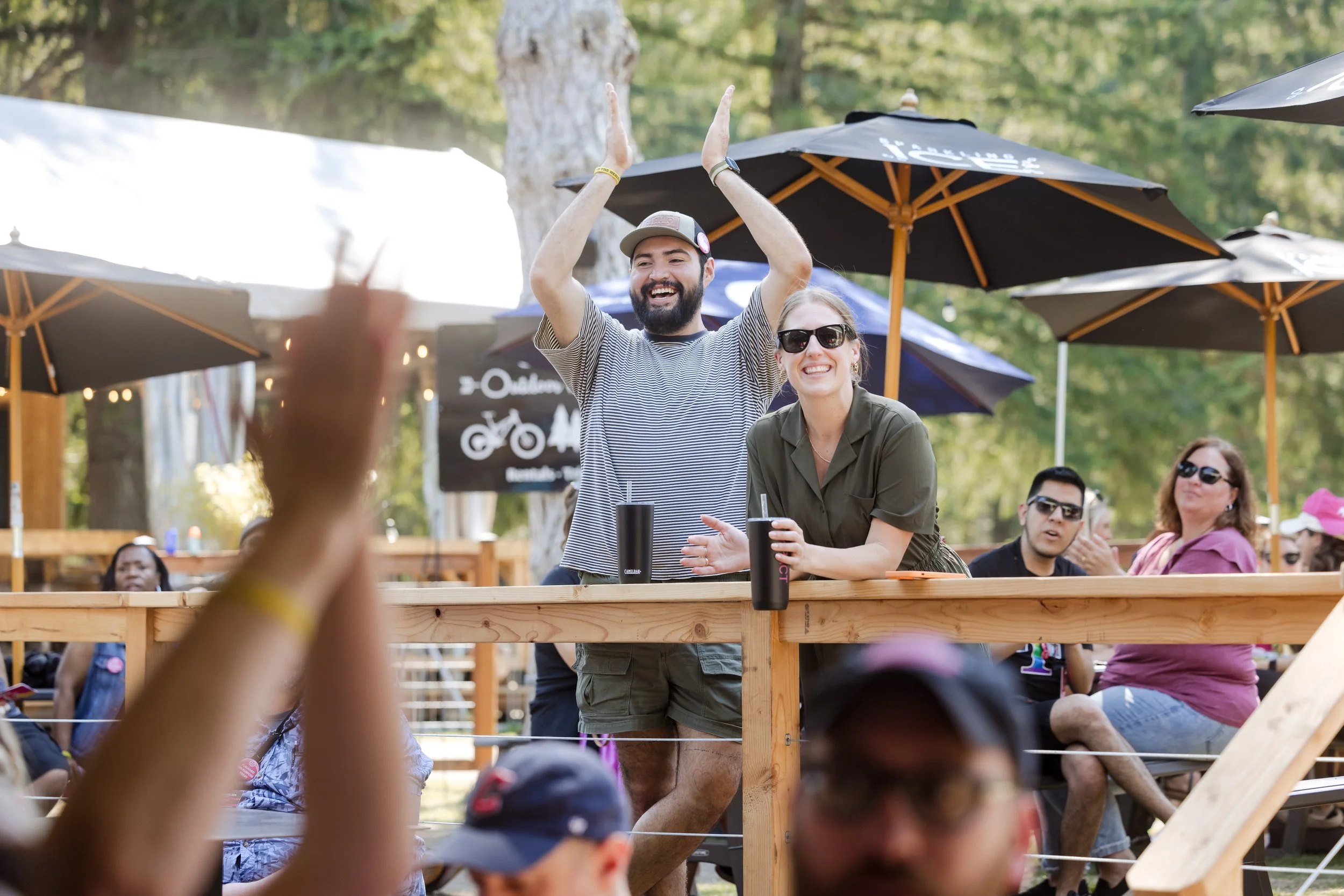
The "Old" Way The Strategic Summer Way Mandatory trust falls in dress pants. High-energy, collaborative outdoor challenges. A 2-hour speech from the CEO in a dark room. A casual "fireside chat" over a morning coffee truck. Getting everyone drunk at a bar. Structured experiential learning followed by a relaxed happy hour.
The Compass Way: Use gamification. When people are playing a game, their guards come down. They solve problems, communicate under pressure, and navigate team dynamics naturally—all while having a blast.
3. Design for Introverts and Extroverts Alike
Nothing kills the "fun" vibe faster than forcing an introvert into an mandatory six-hour socializing marathon without an escape hatch.
To make an event truly strategic, everyone needs to feel included. When designing your summer day, build in options and pacing:
Create "Chill Zones": If you’re doing a big outdoor field day, ensure there is a shaded, quiet area with seating where people can chat one-on-one or just decompress.
Provide Roles: In team challenges, ensure there are roles for the thinkers, the doers, the talkers, and the strategists. Not everyone wants to run the relay race; some want to crack the code that wins it.
Share Structured Time: Give people a clear start & end time for the "official" activities, allowing them to opt-in or opt-out.
4. Measure the ROI (Return on Investment & Inclusion)
A strategic event doesn't end when the coolers are packed away. To prove the value of your summer event, you need to follow up.
Send out a quick, three-question survey a couple of days later:
Did you feel a greater sense of connection to your teammates after the event?
What was your favorite breakthrough or collaborative moment?
On a scale of 1-10, how recharged do you feel?
This data isn't just nice to have—it’s the leverage you need to secure a budget for your next team initiative.
Summer is too short for boring company picnics. With a little intentionality, you can turn your next seasonal gathering into a launchpad for a stronger, more aligned, and highly motivated team.
What’s your biggest challenge when trying to balance fun and business goals for team events?
